

Your business and economy news reporter
Provided by AGP
Florida Aviation Academy Releases Career Roadmap from Student Pilot to Airline Pilot

Florida Aviation Academy
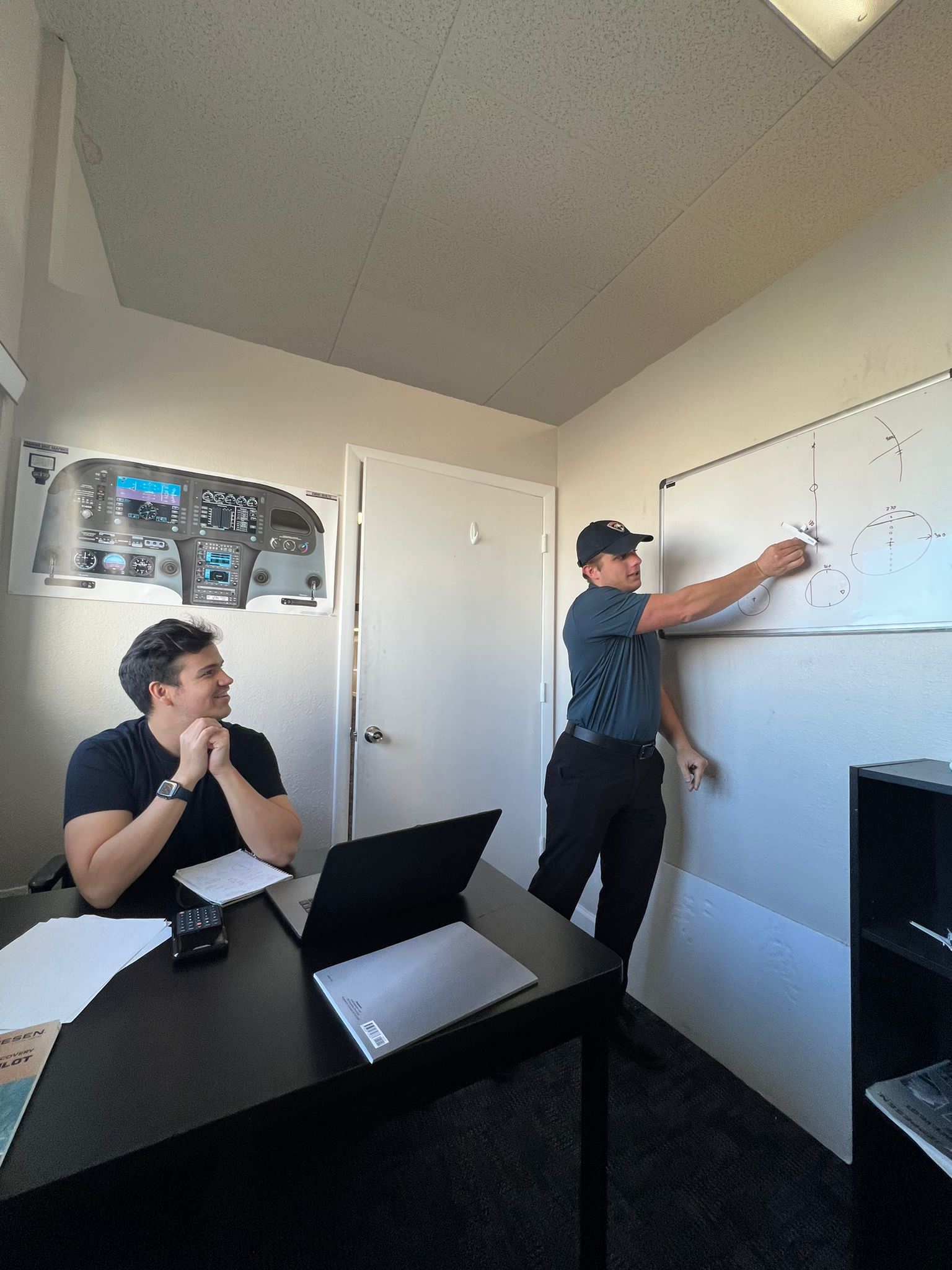
Florida Aviation Academy student and Instructor
Florida Aviation Academy outlines the pathway from zero time to airline pilot, including training milestones, CFI time building, and ATP eligibility.
The fastest path to the airlines begins with structure, consistency, and professional standards from the first day of training.”
— Jack Fitzgerald
POMPANO BEACH, FL, UNITED STATES, May 12, 2026 /EINPresswire.com/ -- Florida Aviation Academy, a premier FAA-approved Part 141 flight training academy in Florida, today released a new educational guide explaining the fastest practical pathway for students who want to move from zero flight time to a professional airline pilot career.
For aspiring aviators, one of the most common questions is:
What is the fastest path from zero time to airline pilot?
According to Florida Aviation Academy, the answer is not simply “fly more.” The fastest path requires a structured sequence: Private Pilot, Instrument Rating, Commercial Pilot, Certified Flight Instructor, flight-hour building, and eventual airline eligibility.
“Students who want the fastest path to the airlines need more than ambition—they need structure, consistency, and professional standards from the first day of training,” said Jack Fitzgerald of Florida Aviation Academy. “That is why a disciplined Part 141 pathway is so important for serious career pilots.”
The Airline Pilot Path Starts with Structure
Students beginning with zero flight time must first build the foundation required for a professional aviation career. The typical sequence includes:
• Private Pilot Certificate
• Instrument Rating
• Commercial Pilot Certificate
• Certified Flight Instructor Certificate
• Flight-hour building
• Airline Transport Pilot eligibility
• Regional or airline hiring pathway
While every student’s timeline depends on proficiency, schedule consistency, weather, checkride availability, and personal commitment, Florida Aviation Academy emphasizes that students progress fastest when training is full-time, structured, and professionally managed.
FAA-approved Part 141 schools operate under structured training course outlines and curriculum requirements, which help create a more standardized pathway than informal or inconsistent training models.
From Zero Time to Commercial Pilot
The first major milestone for a career-track student is earning the Commercial Pilot Certificate.
At Florida Aviation Academy, qualified full-time students may progress from zero time to Commercial Pilot in an accelerated timeframe, with the academy’s professional pilot program designed to move students through private, instrument, commercial, and instructor training as efficiently as possible.
The academy’s accelerated model supports students through:
• consistent flight scheduling
• structured ground and flight training
• instructor accountability
• stage checks and progress monitoring
• simulator-supported learning
• professional training standards
This structure is especially important because delays, inconsistent scheduling, and long gaps between lessons can increase total training time and cost.
Why CFI Training Is a Critical Career Step
For many future airline pilots, becoming a Certified Flight Instructor is one of the fastest and most practical ways to build the flight hours required for airline eligibility.
After earning a Commercial Pilot Certificate, many students continue into CFI training so they can begin teaching, earning income, and accumulating valuable flight experience.
Flight instructing helps pilots develop:
• advanced aeronautical knowledge
• stronger communication skills
• decision-making under real instructional conditions
• leadership and professionalism
• the flight time needed for future airline opportunities
Florida Aviation Academy encourages serious career-track students to view CFI training not as an optional extra, but as a strategic bridge between commercial pilot certification and airline eligibility.
Understanding the 1,500-Hour Requirement
In the United States, airline pilots generally must meet Airline Transport Pilot requirements before serving in airline operations. The FAA explains that a restricted privileges ATP certificate may allow a pilot to serve as a co-pilot until reaching the necessary 1,500 hours, and standard ATP eligibility includes specific training, testing, and aeronautical experience requirements.
This means the fastest practical route is usually not just completing initial certificates quickly. It is building a pathway that helps students move efficiently from training into hour-building roles.
Florida Aviation Academy’s pathway is designed to help students move through the early certification phase efficiently, then transition into the experience-building stage that supports long-term airline goals.
Why Part 141 Matters for Career-Focused Students
For students seeking the fastest path to the airlines, Part 141 training offers a clear advantage: structure.
Unlike more informal training models, Part 141 programs are built around FAA-approved curriculum standards, defined lesson sequencing, and formal oversight. These elements can help students stay on track, reduce repeated lessons, and maintain measurable progress toward each certificate and rating.
This is especially valuable for:
• full-time career-track students
• international students
• students seeking professional standards
• students who want accelerated training
• students pursuing a commercial aviation career
Florida Aviation Academy’s location at Pompano Beach Airpark (KPMP) also provides students with real-world training advantages, including a towered airport environment, three runways, and exposure to professional air traffic operations.
The Fastest Path Requires Commitment
Florida Aviation Academy emphasizes that the fastest students are usually those who treat flight training like a serious professional commitment.
Students who progress most efficiently tend to:
• train full-time whenever possible
• complete required studying before lessons
• maintain consistent attendance
• prepare for written exams early
• follow the syllabus closely
• remain coachable and safety-focused
• avoid long gaps between flights
The academy’s high-standard environment is designed for students who understand that professional aviation requires discipline, accountability, and resilience.
A Premier Florida Pathway for Future Airline Pilots
For students asking, “What is the fastest path from zero time to airline pilot?”, Florida Aviation Academy’s answer is clear:
The fastest practical pathway is a structured, full-time, Part 141 training sequence that moves students efficiently from zero time through commercial pilot certification, instructor training, and flight-hour building.
With over three decades of continuous operation, experienced instructors, structured FAA-approved training, and a career-focused aviation culture, Florida Aviation Academy continues to position itself as one of the top elite flight training centers in the United States.
Prospective students can learn more about Florida Aviation Academy’s accelerated professional pilot program at:
https://flaviationacademy.com
Carrie Sommer
Florida Aviation Academy
+1 954-788-3887
email us here
Visit us on social media:
Facebook
Legal Disclaimer:
EIN Presswire provides this news content "as is" without warranty of any kind. We do not accept any responsibility or liability for the accuracy, content, images, videos, licenses, completeness, legality, or reliability of the information contained in this article. If you have any complaints or copyright issues related to this article, kindly contact the author above.
