

Syuejia Sorghum Fields Become a Model for Rural Carbon Sequestration in World
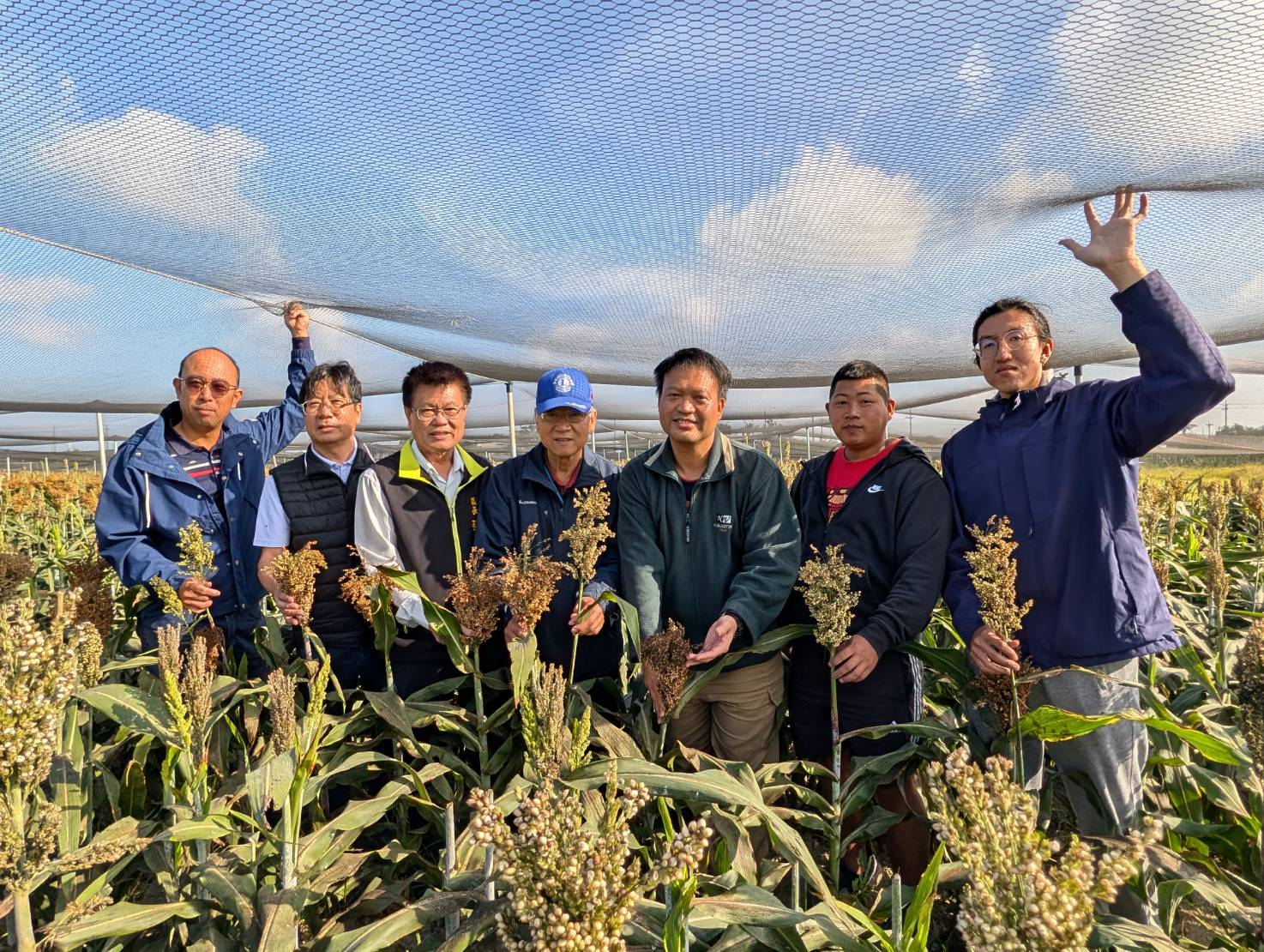
Researchers and local farmers harvest sorghum together in Syuejia while conducting on-site ecological and carbon assessments.
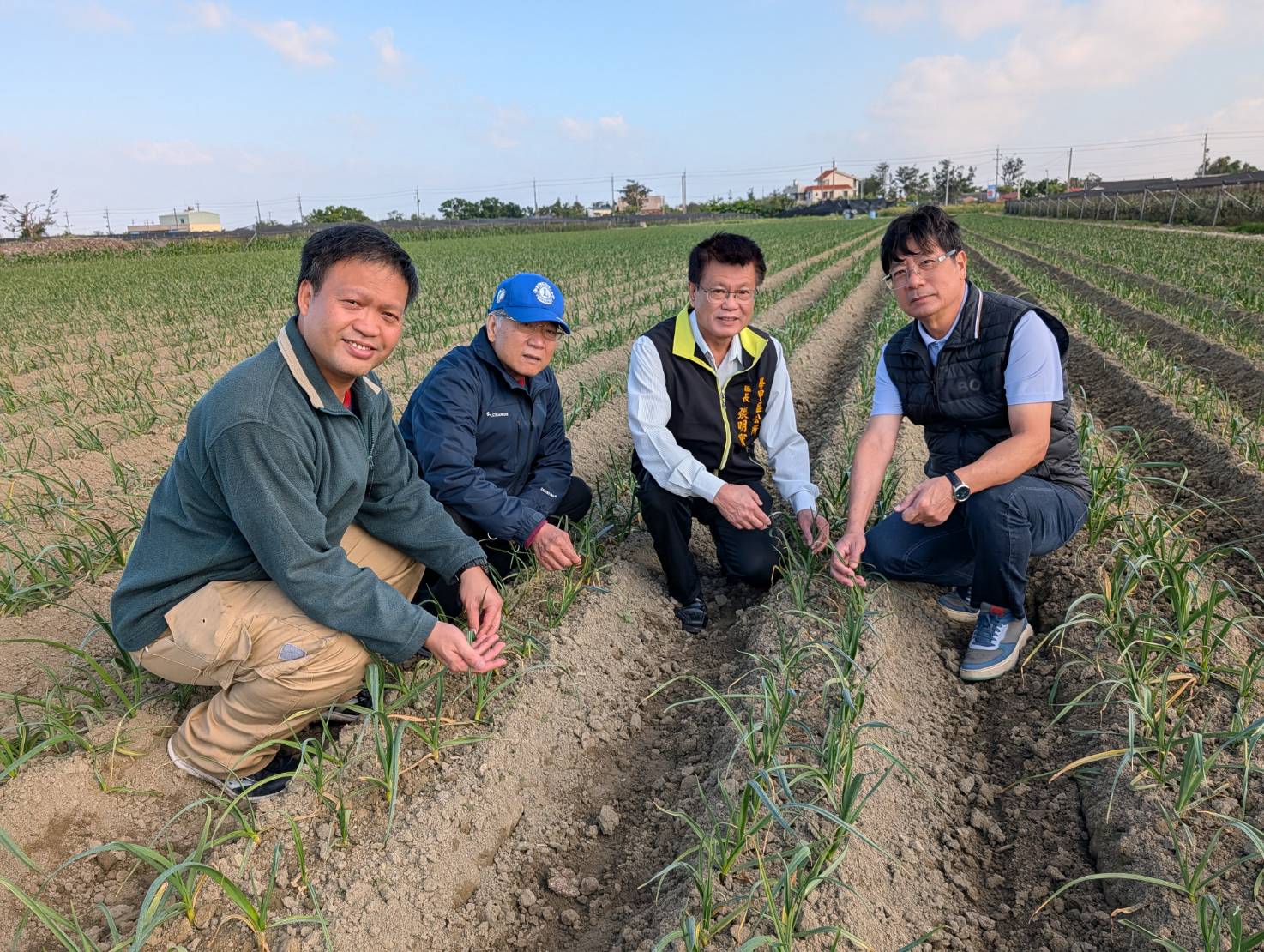
Garlic and shallots were once key crops in Syuejia; farmers now rotate sorghum to improve soil carbon storage and increase climate-resilient income.
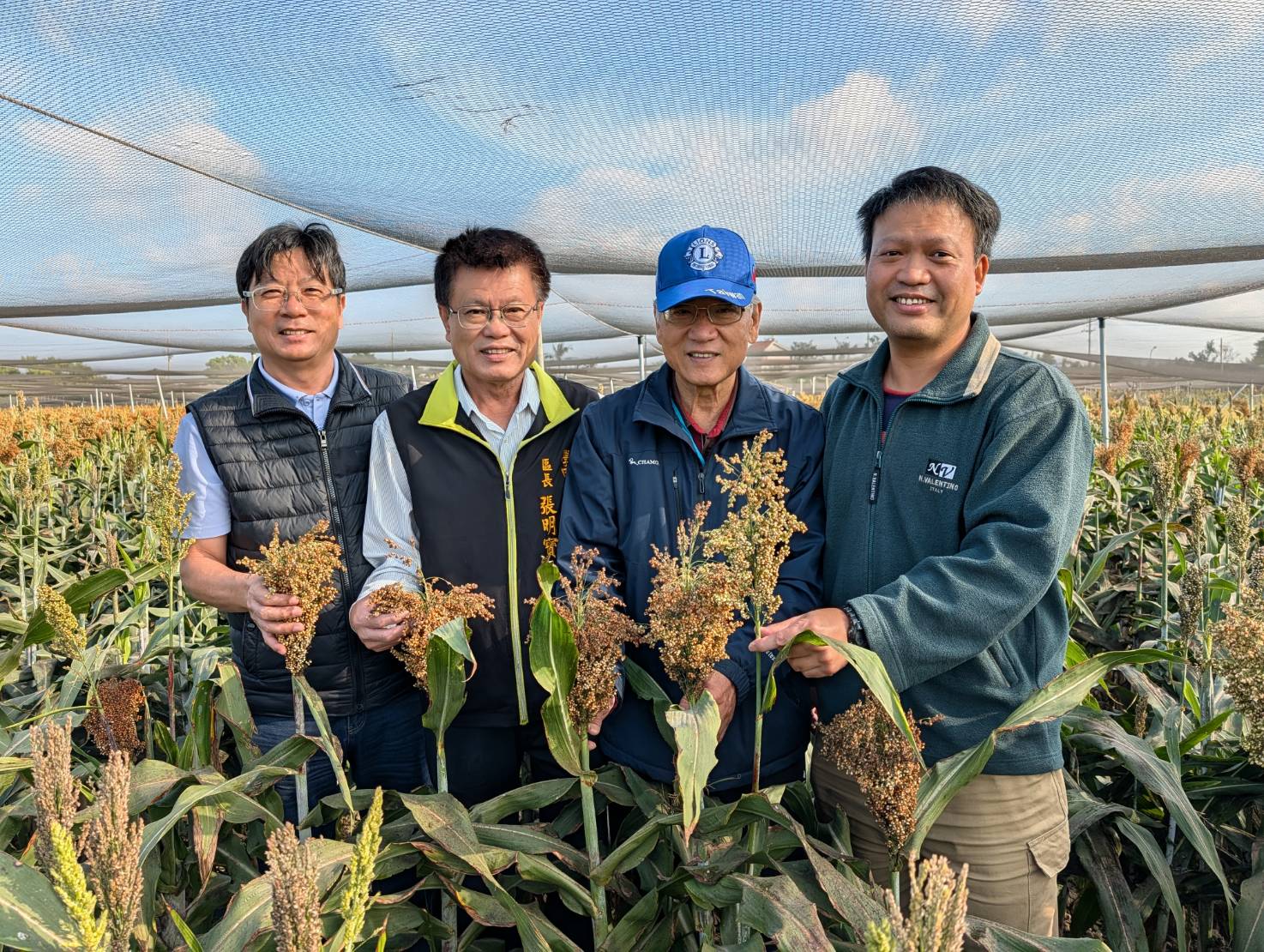
This year’s sorghum crop in Syuejia shows a strong, healthy harvest, highlighting the success of climate-adaptive farming practices.
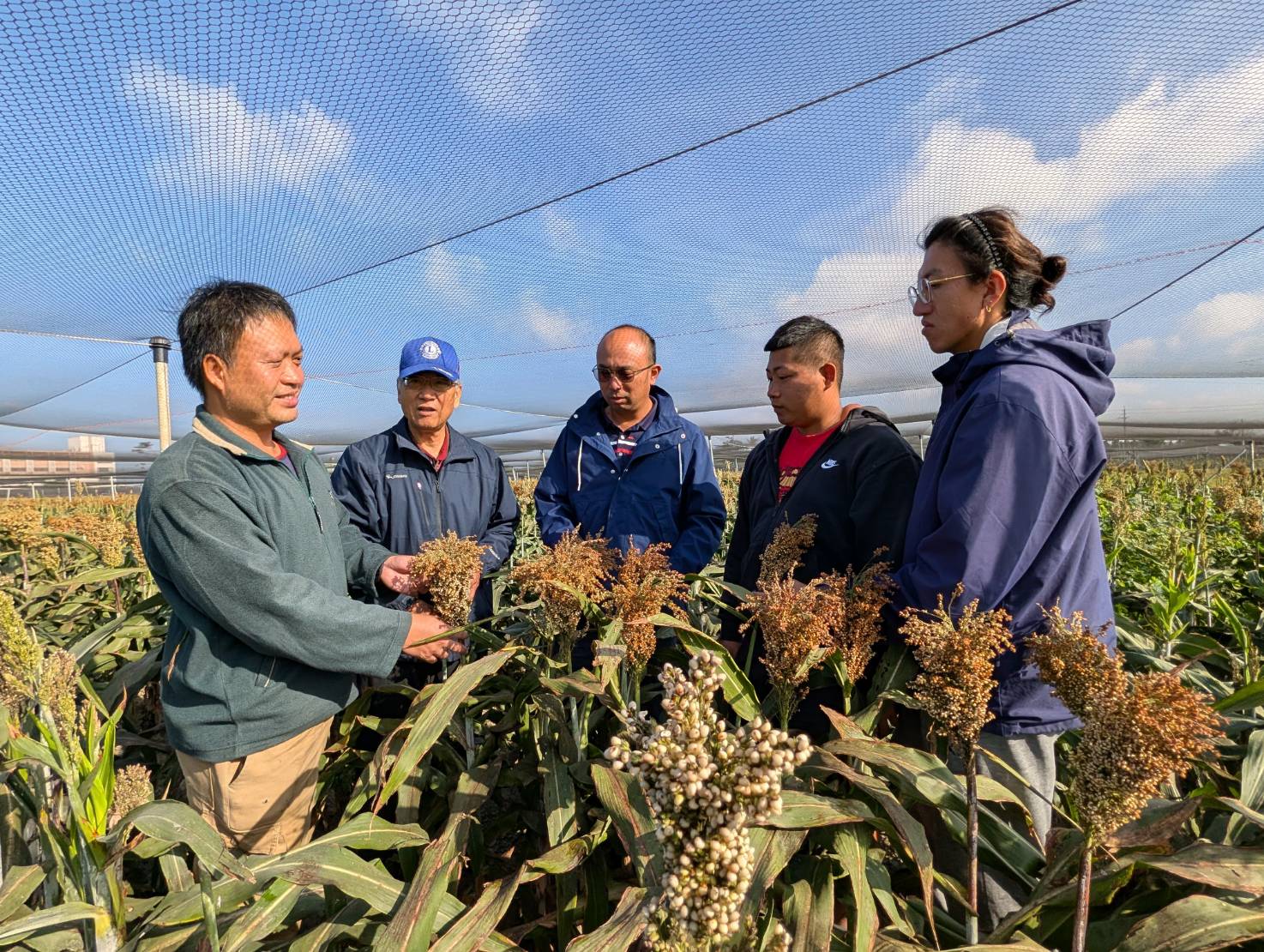
Local farmers explain how low-disturbance sorghum cultivation increases soil carbon sequestration while maintaining ecological balance.
Syuejia’s collaboration among farmers, government, and academia sets a new benchmark for equitable carbon credits and sustainable rural development in Asia.
TAIWAN, December 10, 2025 /EINPresswire.com/ -- The Syuejia Plain of Tainan, once part of the historic Tao-Feng Inland Sea that gradually transformed into a coastal agricultural region, has become a focal point for climate adaptation and sustainable rural development in Asia. Historically dependent on garlic and shallot cultivation, the region has long faced soil challenges such as low organic matter, poor water and nutrient retention, and compaction that can hinder carbon stability. Strengthening soil aggregate structure has therefore become essential for enhancing long-term carbon sequestration.
As global attention intensifies ahead of the 30th United Nations Climate Change Conference (COP30), Syuejia District’s sorghum contract-farming program has announced major progress in positioning Taiwan’s rural landscapes as climate solutions. Under the leadership of Syuejia District Chief Ming-Pao Chang and Syuejia Farmers’ Association General Manager Hsiao-Chun Lee, accompanied by the UNU-IAS/IPSI endorsing Satoyama Mace Initiative research team led by Prof. Yen-Hsun Su of National Cheng Kung University, and the New Agriculture Cooperative led by Dr. Chen-Pio Yen, experts returned to Syuejia this week for a field investigation to validate ecological outcomes and assess long-term carbon benefits.
General Manager Hsiao-Chun Lee explained that the Farmers’ Association has partnered with Kinmen Kaoliang Liquor Inc. for many years to promote sorghum rotation and contract farming. This approach significantly reduces methane emissions, enhances soil carbon stocks, and strengthens regional climate resilience. Despite delays caused by the extended maize harvests this year, the sorghum program maintained a stable operational scale of 736 hectares across the Yunlin, Chiayi, and Tainan regions. Sorghum has thus emerged as a climate-adaptive and economically viable crop for farmers facing shifting environmental conditions.
District Chief Ming-Pao Chang emphasized that Syuejia is not only an agricultural production zone but represents a Social-Ecological Production Landscape and Seascape (SEPLS) that integrates ecology, livelihood, and production. During carbon assessments conducted in summer 2024, researchers confirmed that sorghum rotation supports biodiversity, strengthens soil carbon sequestration, and contributes to long-term landscape resilience. Chang noted:
“By enhancing the quality and value of carbon credits, we aim to increase farmers’ income while achieving a triple-win vision of ecological conservation, improved livelihoods, and sustainable production.”
Dr. Chen-Pio Yen of the New Agriculture Cooperative highlighted that Syuejia demonstrates how local governments, academic institutions, farmers’ associations, and farming communities can co-create a world-class sustainability model. The collaborative approach offers a replicable and verifiable framework for climate adaptation and mitigation, particularly relevant during the global climate discussions at COP30.
Prof. Yen-Hsun Su added that findings from this on-site investigation will be submitted to UN agencies as an exemplar of integrating ecological conservation, agricultural production, community livelihoods, and carbon management within Asian rural contexts. He also shared that the Satoyama Mace Initiative’s philosophy and achievements—including its efforts to promote equitable and ethical carbon practices—have gained the attention and moral support of the Pope Leo XIV.
The initiative aligns with the Global Declaration for Equitable and Ethical Carbon Credit Practices: An Action Framework for Caring for Our Common Home, which calls for just, transparent, and community-centered approaches to carbon credit development. Syuejia’s model is also aligned with the Kunming–Montreal Global Biodiversity Framework (KMGBF) and the high standards of the UNFCCC Clean Development Mechanism (CDM).
The Syuejia Farmers’ Association is committed not only to generating high-quality carbon credits but also to ensuring that revenue is directly returned to participating farmers, reinforcing fairness and justice in rural climate-market participation. This farmer-centered approach strengthens trust, enhances social sustainability, and provides a pathway for rural regeneration.
With its distinctive combination of traditional Asian farming knowledge, scientific monitoring, and UN-aligned governance, Syuejia is positioning itself as a new model for climate-ready rural landscapes in Asia. As climate change accelerates and global carbon markets evolve, Syuejia’s sorghum initiative stands as a milestone in advancing ecological restoration, rural economic resilience, and community-driven carbon sequestration in Taiwan and beyond.
Shu-Mei Wang
SEPLS Carbon Credit Regional Revitalization Center
email us here
Visit us on social media:
LinkedIn
Other
Legal Disclaimer:
EIN Presswire provides this news content "as is" without warranty of any kind. We do not accept any responsibility or liability for the accuracy, content, images, videos, licenses, completeness, legality, or reliability of the information contained in this article. If you have any complaints or copyright issues related to this article, kindly contact the author above.
